


រដ្ឋមន្រ្តីក្រសួងឧស្សាហកម្មចុះទស្សនកិច្ចរោងចក្រចោមចៅ
កាលបរិច្ឆេទ: ១១ មីនា ២០២៦ / កសិកម្ម / Author : ATH Sokren
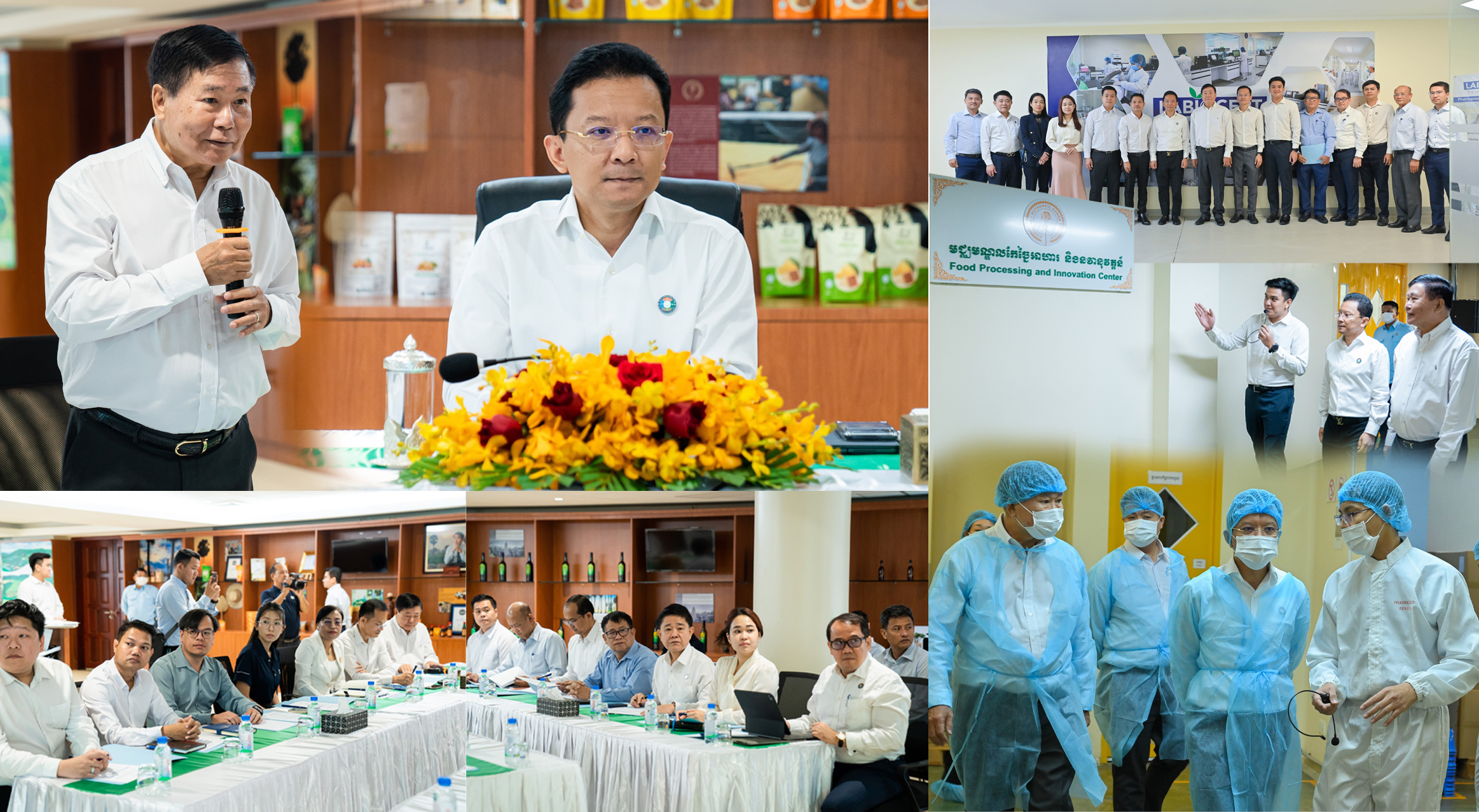
កាលពីថ្ងៃព្រហស្បតិ៍ ទី១៩ ខែកុម្ភៈ កន្លងទៅនេះ ក្នុងឱកាសទស្សនកិច្ចខ្សែសង្វាក់ផលិតកម្មរបស់ក្រុមហ៊ុន និងមន្ទីរពិសោធន៍ Labiocert នៅសង្កាត់ចោមចៅ រាជធានីភ្នំពេញ ឯកឧត្តមហែម វណ្ណឌី រដ្ឋមន្រ្តីក្រសួងឧស្សាហកម្ម វិទ្យាសាស្រ្ត បច្ចេកទេស និងនវានុវត្តន៍ បានសម្តែងការកោតសរសើរដល់ក្រុមហ៊ុនសហគ្រាសប៉េប៉េអឹម-ខនហ្វីរេលថាជាគំរូមួយនៃការធ្វើទំនើបកម្មផ្នែកឧស្សាហកម្មដោយផ្អែកលើចំណេះជំនាញកសិកម្មខ្មែរ។
ដំណើរទស្សនកិច្ចដើម្បីវាយតម្លៃសក្តានុពលនៃវិស័យឧស្សាហកម្ម
អមដំណើរដោយមន្ត្រីបច្ចេកទេសមកពីក្រសួង (នាយកដ្ឋានឧស្សាហកម្ម នាយកដ្ឋានវិទ្យាសាស្ត្រ បច្ចេកវិទ្យា និងនវានុវត្តន៍ មន្ទីរពិសោធន៍ជាតិ នាយកដ្ឋានសហគ្រាសធុនតូច និងមធ្យម និងសិប្បកម្ម និងមជ្ឈមណ្ឌលមាត្រាសាស្រ្តជាតិ។ លោករដ្ឋមន្ត្រីបានចុះទស្សនកិច្ចដើម្បីវាយតម្លៃលើវឌ្ឍនភាពរបស់វិស័យឯកជន និងស្តាប់ពីតម្រូវការរបស់ពួកគេ ដើម្បីគាំទ្រដល់ការអភិវឌ្ឍន៍ផលិតផលក្នុងស្រុកឱ្យបានកាន់តែប្រសើរឡើង។
ខនហ្វីរេល : ប្រែក្លាយពីដើមត្នោត «ដើមឈើរបស់ប្រជាជនក្រីក្រ» ទៅជាវិស័យដ៏ជោគជ័យមួយ
នៅក្នុងបទបង្ហាញរបស់លោក លោកឧកញ៉ាឱសថបណ្ឌិតហៃ លីអ៊ាង បានរម្លឹកថា បេសកកម្មរបស់ក្រុមហ៊ុនខនហ្វីរេលគឺធ្វើឱ្យផលិតផលដូនតាក្លាយជាកម្លាំងចលករនៃឧស្សាហកម្មជាតិទំនើប ដោយចាប់ផ្តើមជាមួយស្ករត្នោតម៉ាក Thnot។
លោកឧកញ៉ាឱសថបណ្ឌិតគូសបញ្ជាក់យ៉ាងដូច្នេះ៖ «យើងបានចាប់ផ្តើមជាមួយដើមត្នោត ដែលជាដើមឈើតំណាងឱ្យប្រទេសរបស់យើង។ ពីមុនធ្លាប់ត្រូវបានគេចាត់ទុកថាជាដើមឈើរបស់អ្នកក្រ ឥឡូវវាអាចក្លាយជាដើមឈើរបស់អ្នកមាន»។ លោករម្លឹកផងដែរថា ស្ករត្នោតរបស់ក្រុមហ៊ុនខនហ្វីរេលទទួលបានមេដាយមាសនៅឯពិព័រណ៍ Nat-Expo ២០០៥ នៅទីក្រុងប៉ារីស និងទទួលបានពានរង្វាន់ពីពានរង្វាន់ Great Taste Awards និងត្រូវចុះផ្សាយនៅក្នុងសៀវភៅមគ្គទេសក៍ Guide de Michelin។
លោកបានឱ្យដឹងទៀតថា តម្លៃសក្តានុពលនៃវត្ថុធាតុដើមត្នោតគឺមានជាង ៦០០ លានដុល្លារ ប៉ុន្តែរហូតមកដល់បច្ចុប្បន្ន គេអាចរកបានតែប្រាំលានដុល្លារប៉ុណ្ណោះ ដោយសារតែខ្វះអ្នកផលិតគ្រប់គ្រាន់ និងដោយសារតែភាពលំបាក និងហានិភ័យនៃមុខរបរឡើងត្នោតនេះ។
ដើម្បីធានាសុវត្ថិភាព និងសម្រួលដល់ការងាររបស់អ្នកឡើងត្នោត ក្រុមហ៊ុនខនហ្វីរេលកំពុងអភិវឌ្ឍគម្រោង «ម៉ូតូត្នោត» (ម៉ូទ័រសម្រាប់ឡើងដើមត្នោត) ដែលត្រូវបានរចនាឡើងដើម្បីបង្កើនផលិតភាព និងសុវត្ថិភាព ជាគម្រោងមួយដែលលោកឧកញ៉ាឱសថបណ្ឌិតហៃ លីអ៊ាង បានស្វែងរកការគាំទ្រពីក្រសួង ដោយសារទីផ្សារកំពុងស្ថិតក្នុងស្ថានភាពតម្រូវការលើសពីការផ្គត់ផ្គង់រួចទៅហើយ។
លោកក៏បានសង្កត់ធ្ងន់លើតម្រូវការក្នុងការកែលម្អផលិតកម្មម្រេច ជាពិសេសម្រេចមកពីខេត្តកំពត មណ្ឌលគីរី កំពង់ចាម និងកំពង់ធំ ដើម្បីបំពេញតម្រូវការទីផ្សារអន្តរជាតិដ៏ខ្លាំងក្លា ដោយអំពាវនាវឱ្យមានការគាំទ្របច្ចេកទេសពីរដ្ឋ ដើម្បីបញ្ចូលបច្ចេកវិទ្យាថ្មីៗឱ្យបានកាន់តែឆាប់រហ័ស។
Labiocert នឹងក្លាយជាមន្ទីរពិសោធន៍គំរូនៅថ្ងៃអនាគត
ដំបូងឡើយ ដើម្បីឆ្លើយតបទៅនឹងតម្រូវការផ្ទៃក្នុងរបស់ក្រុមហ៊ុនសហគ្រាសប៉េប៉េអឹម-ខនហ្វីរេល មន្ទីរពិសោធន៍ Labiocert ត្រូវបានបង្កើតឡើងដើម្បីបំពេញតាមស្តង់ដារអន្តរជាតិ និងធានាគុណភាព និងសុវត្ថិភាពនៃផលិតផលរបស់ក្រុមហ៊ុនសហគ្រាស ទន្ទឹមគ្នានេះដែរគឺដើម្បីផ្តល់ទំនុកចិត្តដល់អ្នកប្រើប្រាស់បរទេស។
ជាមួយនឹងការធ្វើទំនើបកម្មឧបករណ៍ និងធនធានមនុស្សរបស់ខ្លួន មន្ទីរពិសោធន៍ Labiocert ឥឡូវនេះកំពុងរៀបចំឯកសារដើម្បីទទួលបានវិញ្ញាបនបត្រ ISO ដែលជាជំហានដំបូងដើម្បីផ្តល់សេវាកម្មត្រួតពិនិត្យគុណភាពរបស់ខ្លួនយ៉ាងទូលំទូលាយសម្រាប់ក្រុមហ៊ុនក្នុងស្រុក។
ឯកឧត្តមរដ្ឋមន្ត្រី ហែម វណ្ណឌី បានលើកទឹកចិត្តមន្ទីរពិសោធន៍ឱ្យដាក់ពាក្យសុំវិញ្ញាបនបត្រ « Accreditation Body » ដែលទទួលស្គាល់ដោយក្រសួង ដើម្បីឱ្យក្លាយជាមន្ទីរពិសោធន៍គំរូផ្លូវការសម្រាប់ការវិភាគអាហារ។
លោកមានប្រសាសន៍ថា៖ «យើងត្រូវការមន្ទីរពិសោធន៍គំរូជាផ្លូវការ។ ប្រសិនបើមន្ទីរពិសោធន៍ Labiocert ទទួលបានវិញ្ញាបនបត្រ ISO យើងដាក់ពាក្យស្នើសុំរួមគ្នាដើម្បីឱ្យមន្ទីរពិសោធន៍នេះក្លាយជាមន្ទីរពិសោធន៍ផ្លូវការ»។ លោកបន្តទៀតថា ក្រុមហ៊ុនទាំងអស់អាចផ្ញើផលិតផលរបស់ខ្លួនដើម្បីឱ្យមន្ទីរពិសោធន៍ដែលទទួលស្គាល់ដោយរដ្ឋនេះធ្វើការវិភាគ។
ទីផ្សារអន្តរជាតិ និងឧបសគ្គរដ្ឋបាល
ក្រុមហ៊ុនខនហ្វីរេលបាននាំចេញទៅកាន់ទីផ្សារដែលមានអំណាចទិញខ្ពស់ដូចជា ប្រទេសជប៉ុន កូរ៉េខាងត្បូង បារាំង និងវៀតណាម ដែលតំណាងឱ្យសក្តានុពលរបស់អ្នកប្រើប្រាស់ជាងប្រាំរយលាននាក់ នូវផលិតផលដែលទទួលបានអត្ថប្រយោជន៍ពីវិញ្ញាបនបត្រអន្តរជាតិ ជាពិសេសលើផលិតផលប្រហុករបស់ក្រុមហ៊ុន។
ត្រូវបានសង្កេតដោយដៃគូជប៉ុនចាប់តាំងពីឆ្នាំ២០២២មក ក្រុមហ៊ុនបានចុះហត្ថលេខានៅឆ្នាំ២០២៥លើកិច្ចព្រមព្រៀងចែកចាយនៅកន្លែងលក់ចំនួន៧០កន្លែងនៅក្នុងប្រទេសជប៉ុន និងកំណត់គោលដៅចំនួន៤០០ទីតាំងនៅឆ្នាំនេះ ក្នុងនោះ៥០កន្លែងគឺនៅក្នុងមជ្ឈមណ្ឌលផ្សារទំនើប AEON។
លោកឧកញ៉ាឱសថបណ្ឌិតហៃ លីអ៊ាង បានបង្ហាញពីសក្តានុពលនេះដោយលើកឡើងពីទីផ្សារភីហ្សានៅលើសកលលោក ដែលត្រូវបានប៉ាន់ប្រមាណថាមានចំនួន ២,៤ ពាន់លានកន្លែង ដែលមិនទាន់មានលក់ «ភីហ្សាប្រហុក» នៅឡើយទេ៖ ការចាប់យកចំណែកទីផ្សារនេះត្រឹមតែ ០,០០១ ភាគរយក៏អាចនឹងនាំមកនូវប្រាក់ចំណូលយ៉ាងច្រើន និងមាននិរន្តរភាពដល់ប្រទេសកម្ពុជា ដោយយើងគ្រាន់តែ រួមគ្នាការពារប្រព័ន្ធអេកូឡូស៊ីទនៃន្លេសាប ដែលអាចចាត់ទុកថាជា «រោងចក្របៃតងដ៏ធំមហិមា»។
ប៉ុន្តែ លោកបានរិះគន់ចំពោះរបាំងរដ្ឋបាលដែលរារាំងការនាំចេញ ដោយប្រៀបធៀបស្ថានភាពទៅនឹងការធ្វើដំណើររបស់មនុស្សថា «មនុស្សម្នាក់ដែលមានលិខិតឆ្លងដែន និងទិដ្ឋាការអាចធ្វើដំណើរបានហើយ។ ប៉ុន្តែសម្រាប់ថ្នាំពេទ្យ ទាមទារឱ្យមានការសុំអនុញ្ញាត សូម្បីតែមានការបញ្ជាទិញរួចហើយក៏ដោយ»។
ប្រឈមមុខនឹងតម្រូវការផ្នែករដ្ឋបាលកាន់តែស្មុគស្មាញ លោកបានអំពាវនាវឱ្យក្រសួងបន្ទន់ឥរិយាបថក្នុងការសម្របខ្លួនទៅនឹងការវិវត្តន៍យ៉ាងឆាប់រហ័សនៃទីផ្សារពិភពលោក ដោយសង្ឃឹមថា «រដ្ឋ និងវិស័យឯកជនត្រូវយល់គ្នាទៅវិញទៅមកឱ្យកាន់តែច្បាស់»។
ឯកឧត្តមរដ្ឋមន្ត្រីសរសើរគំរូនៃទំនើបកម្មផ្នែកឧស្សាហកម្ម
នៅចុងបញ្ចប់នៃបទបង្ហាញ ឯកឧត្តម ហែម វណ្ណឌី បានសម្តែងការកោតសរសើរចំពោះចក្ខុវិស័យរបស់ក្រុមហ៊ុនខនហ្វីរេលដែលបានផ្សារភ្ជាប់បេតិកភណ្ឌដូនតាទៅនឹងកេរ្តិ៍ឈ្មោះរបស់ប្រទេស និងតម្រូវការផ្នែកគុណភាព។
លោកបានរម្លឹកថា ផែនការរបស់រាជរដ្ឋាភិបាលសម្រាប់អាណត្តិទី៧ បានដាក់ការធ្វើទំនើបកម្មលើវិស័យឧស្សាហកម្មជាចំណុចស្នូលនៃយុទ្ធសាស្ត្រ មិនត្រឹមតែតាមរយៈម៉ាស៊ីនប៉ុណ្ណោះទេ ប៉ុន្តែថែមទាំងតាមរយៈការបណ្តុះបណ្តាលវិជ្ជាជីវៈ បច្ចេកវិទ្យា និងការបង្កើនផលិតភាព ដើម្បីជួយសម្រួលដល់វិស័យកសិកម្មផងដែរ។
លោកមានប្រសាសន៍ថា «ការធ្វើទំនើបកម្មលើវិស័យឧស្សាហកម្មគឺជាបេសកកម្មដ៏សំខាន់មួយរបស់ក្រសួង ហើយខ្ញុំមានសេចក្តីសោមនស្សរីករាយដែលបានឃើញក្រុមហ៊ុនមួយរបស់ខ្មែរចូលរួមចំណែកដល់កំណើនសេដ្ឋកិច្ចនៃវិស័យនេះ»។ លោកក៏បានលើកទឹកចិត្តដល់ក្រុមហ៊ុនសហគ្រាសប៉េប៉េអឹម-ខនហ្វីរេលក្នុងគម្រោងវិនិយោគរបស់ខ្លួនផងដែរ។
សម្រាប់លោក ដើម្បីឈានទៅដល់ការពង្រីកខ្លួនដូចក្រុមហ៊ុនសហគ្រាសប៉េប៉េអឹម-ខនហ្វីរេល ទាមទារឱ្យមានការគាំទ្រសម្រាប់អាជីវកម្មខ្នាតតូចនៅក្នុងខ្សែសង្វាក់តម្លៃ ដើម្បីរៀបចំរចនាសម្ព័ន្ធបណ្តាញអ្នកផ្គត់ផ្គង់ និងពង្រឹងការបង្កើតតម្លៃបន្ថែម។
ទាក់ទងនឹងគម្រោង «ម៉ូតូត្នោត» លោកបានវាយតម្លៃគំនិតនេះថាមានសក្តានុពល ហើយបានបញ្ជាក់ថា រដ្ឋលេខាធិការដ្ឋាននៃក្រសួងឧស្សាហកម្មបានត្រៀមខ្លួនរួចជាស្រេចដើម្បីគាំទ្រគម្រោងនេះលើផ្នែកបច្ចេកទេស សុវត្ថិភាព និងនវានុវត្តន៍។
លោករដ្ឋមន្ត្រីបានបញ្ចប់ដោយសំណូមពរឱ្យមន្ទីរពិសោធន៍ Labiocert និងក្រសួងធ្វើការរួមគ្នា ដោយប្រមូលផ្តុំឧបករណ៍ និងជំនាញ ដើម្បីកសាងប្រព័ន្ធគ្រប់គ្រងគុណភាពអាហារថ្នាក់ជាតិដោយមិនចាំបាច់វិនិយោគបន្ថែម។
លោកឧកញ៉ាឱសថបណ្ឌិតបានស្វាគមន៍យ៉ាងរីករាយចំពោះគំនិតផ្តួចផ្តើមនេះ ដោយវាយតម្លៃថា «បន្ទាប់ពីការខិតខំប្រឹងប្រែងអស់រយៈពេលសាមសិបឆ្នាំកន្លងមក ផ្លូវដែលយើងបានដើរត្រូវបានបង្ហាញថាជាផ្លូវត្រឹមត្រូវ» ហើយឥឡូវនេះយើងអាចបន្តដំណើរជាមួយគ្នា៕
